

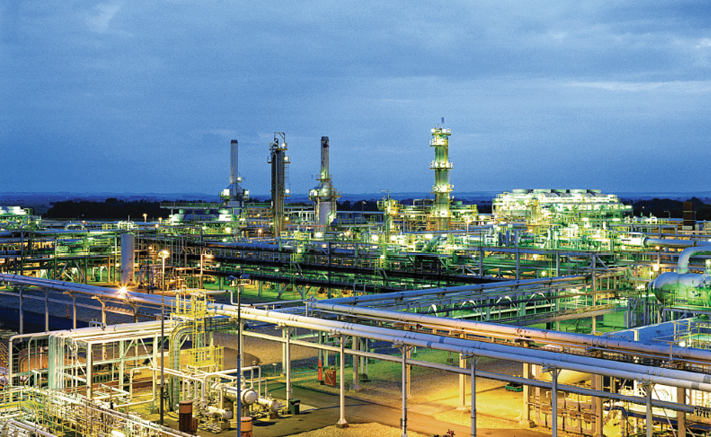
Industry: LNG | Country: Trinidad
INTRODUCTION & PROBLEM STATEMENT
Trinidad is the leading exporter of oil & gas on the global scale. A major natural gas processing and fractionating
company was facing challenges on their aging heat exchangers. Since conventional technologies require higher
degree of cleaning and longer duration of inspection, end user was in stalemate position due to the following:
1: 20% of tubes are only inspected on each time of shutdown.
2: Uncertainty on continuous operation of the heat exchanger as 80% left uninspected.
3: Lack of precision on results to take corrective action and to predict the remaining lifetime of heat exchangers that are 20+ years in operation already.
SOLUTION
APRIS was introduced by our customer in Trinidad. On looking into the advantages such as
- Quick report generation support
- Ultra-fast inspection (10 seconds per tube)
- Any tube material (ferrous/non-ferrous/graphite/composite) shall be tested
- Different tube configuration (straight/bend/multiple bend/fins)
The maintenance and operations team decided to perform a trial inspection on a reboiler tubes using APRIS and
get the results compared with ECT (Eddy Current Testing) performed on it erstwhile. The details are as follows:
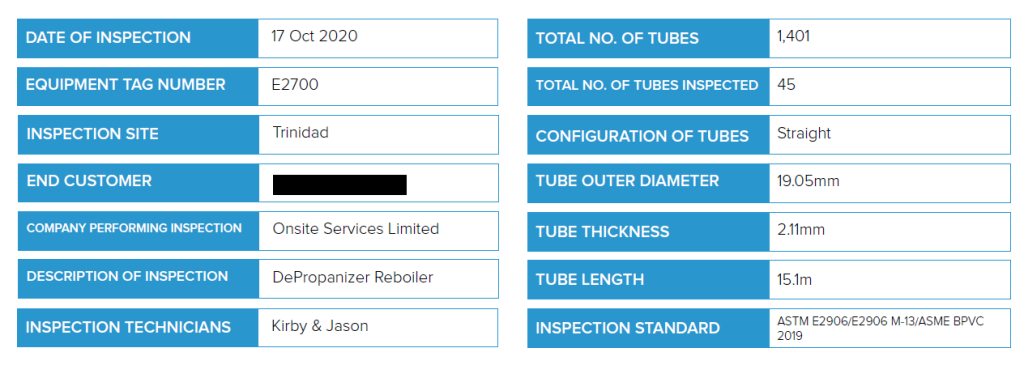
The inspection was started at 10:30 am (Trinidad Time) on 17 Oct 2020. It took less than 30 minutes to complete
the inspection of 45 tubes.
The data was analyzed, and preliminary report was issued at 1:00 pm (Trinidad time) to maintenance supervisor
of the LNG plant.
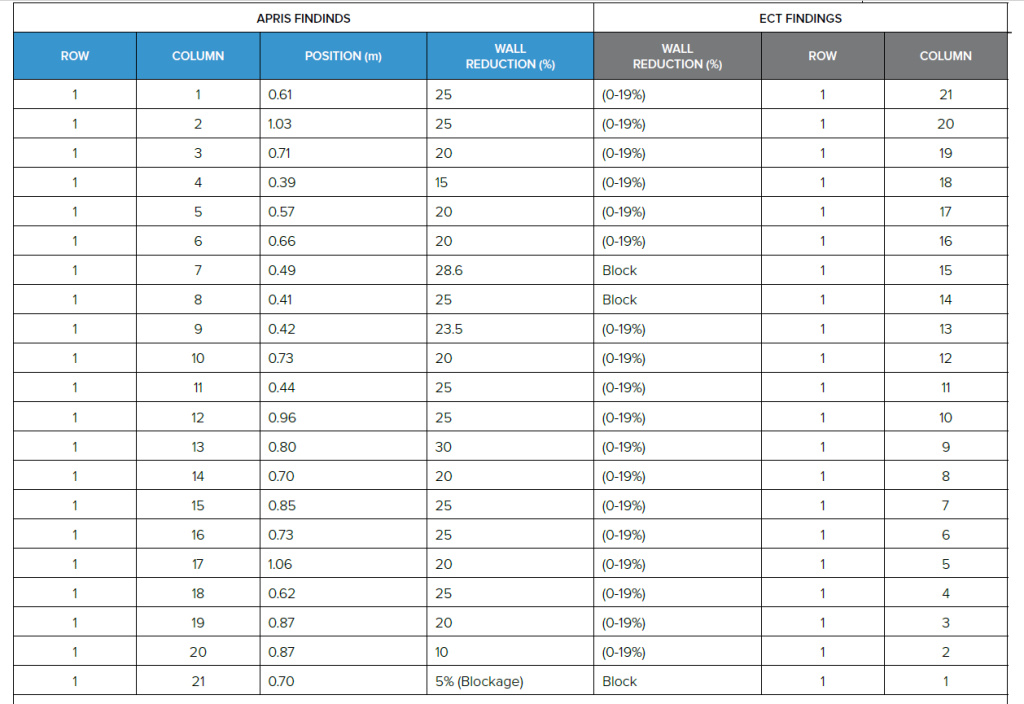
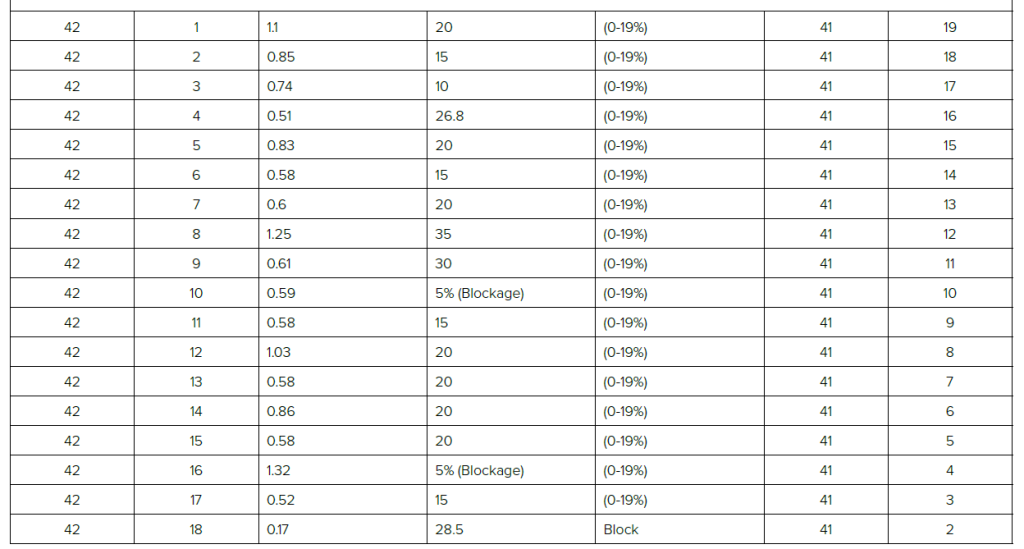
Summary of the inspection results in comparison with ECT:

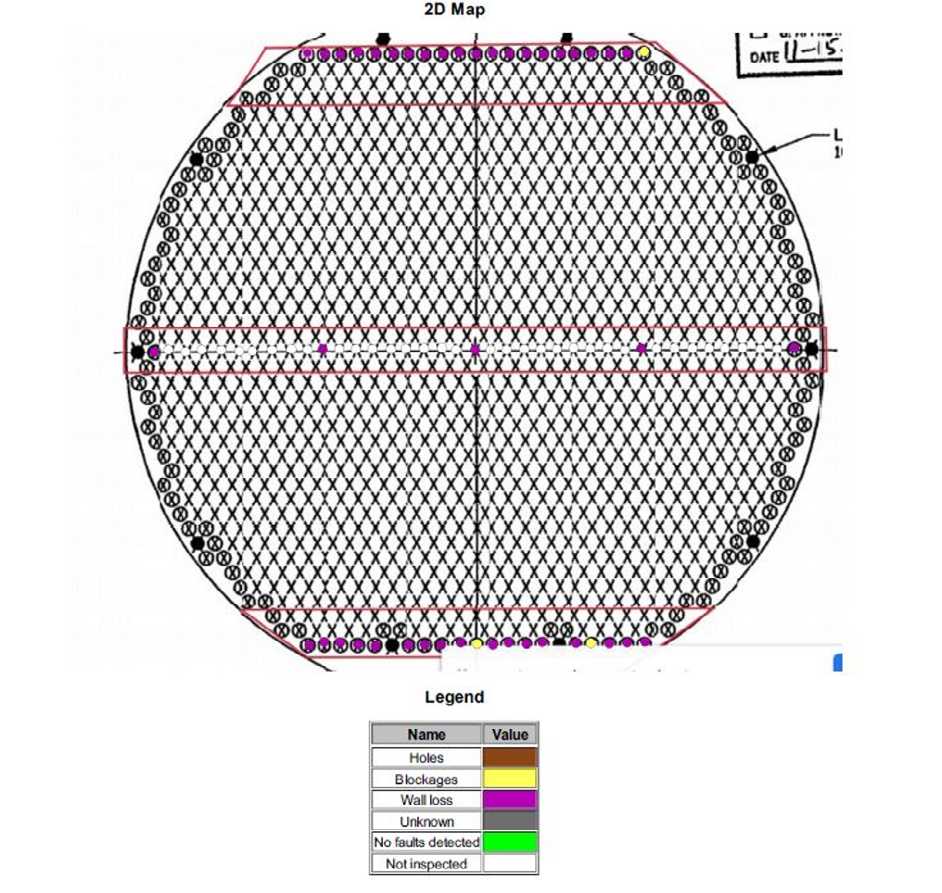
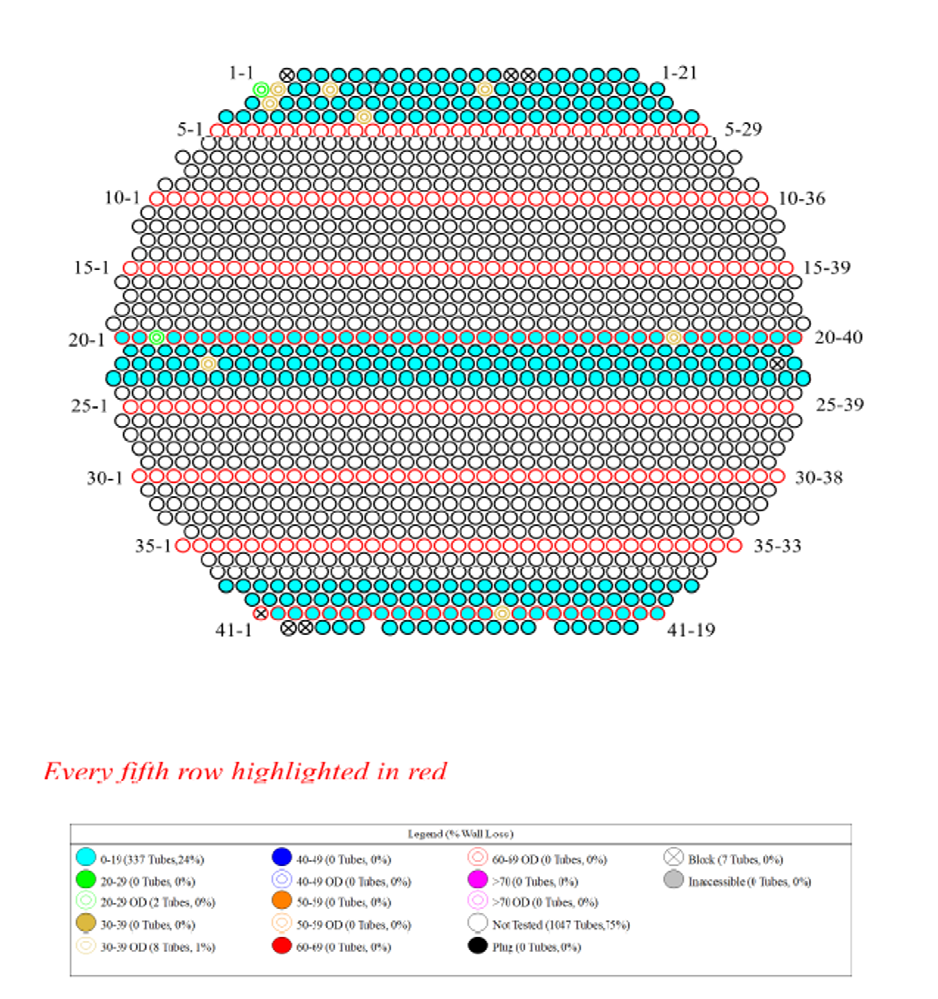
CONCLUSION
Tubes that were inspected by ECT shows wall loss under the category 0-19%. So, as per end user, it’s quite
skeptical to understand ECT result, if the tube is with 0% wall reduction or 19% wall reduction. Such results trouble
the end user in taking decision on corrective action. Hence, end user is convinced to use APRIS in-order to
perform 100% inspection in a short duration and to provide precise result indicating location and size. This help
them in taking corrective action and predicting the remaining lifetime of their heat exchangers.
